Environmental
ENVIRONMENTAL ACTION
At Arcosa, we believe our established, environmentally-friendly product lines and strategic management of energy consumption and water conservation provide positive climate-related impacts. We remain dedicated to developing and implementing initiatives to support reduction efforts, which we anticipate will ultimately lead to direct climate improvement, improved financial returns, and organizational resilience.
STRATEGY
Arcosa’s sustainability strategy is to implement business-practical initiatives in high impact areas, with direct benefits for our plants and our people and far-reaching benefits for the places where we live and work. We are committed to collaborative environmental action at our sites to preserve and protect air, water, and land for today and for the future.
ENERGY
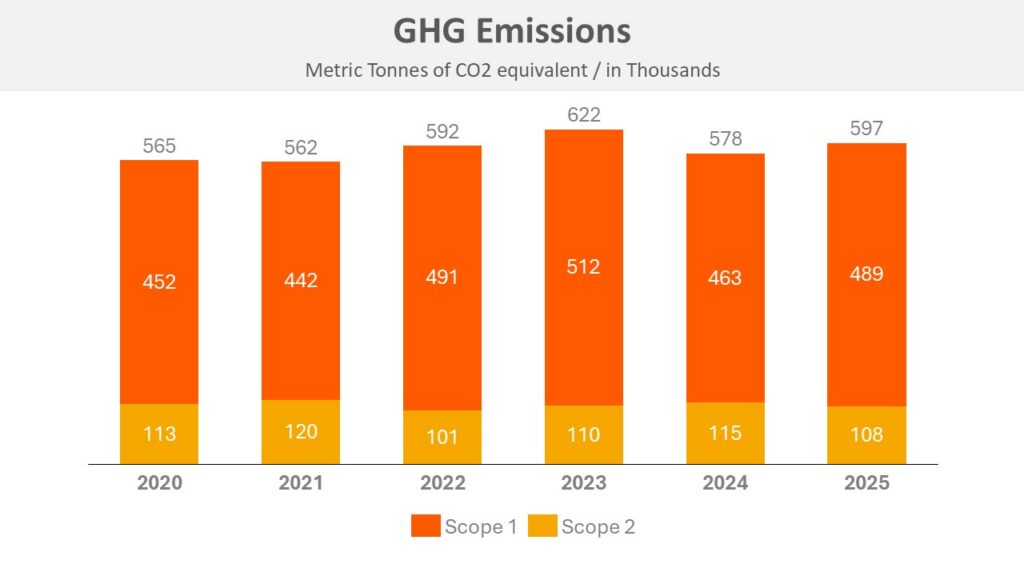
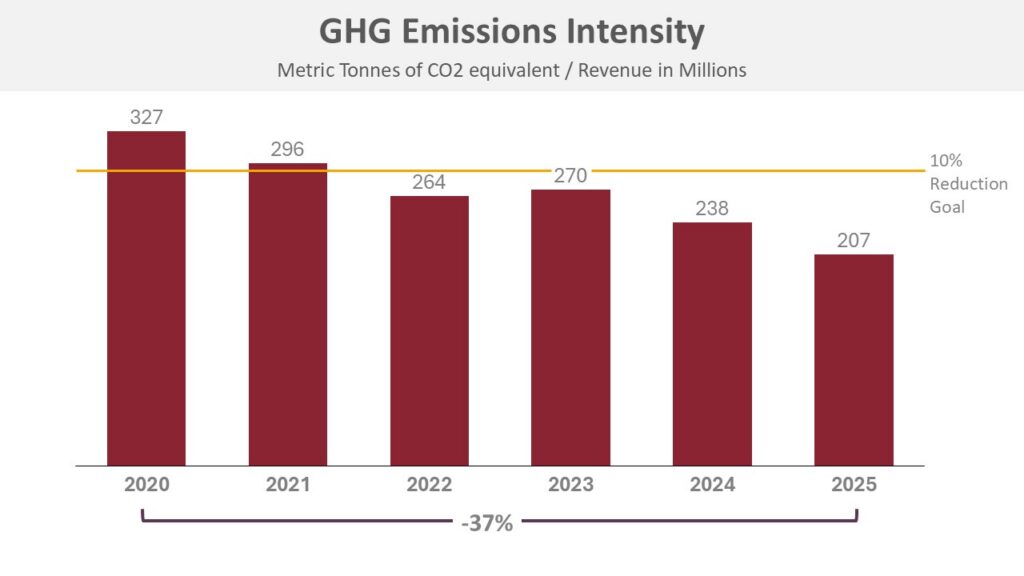
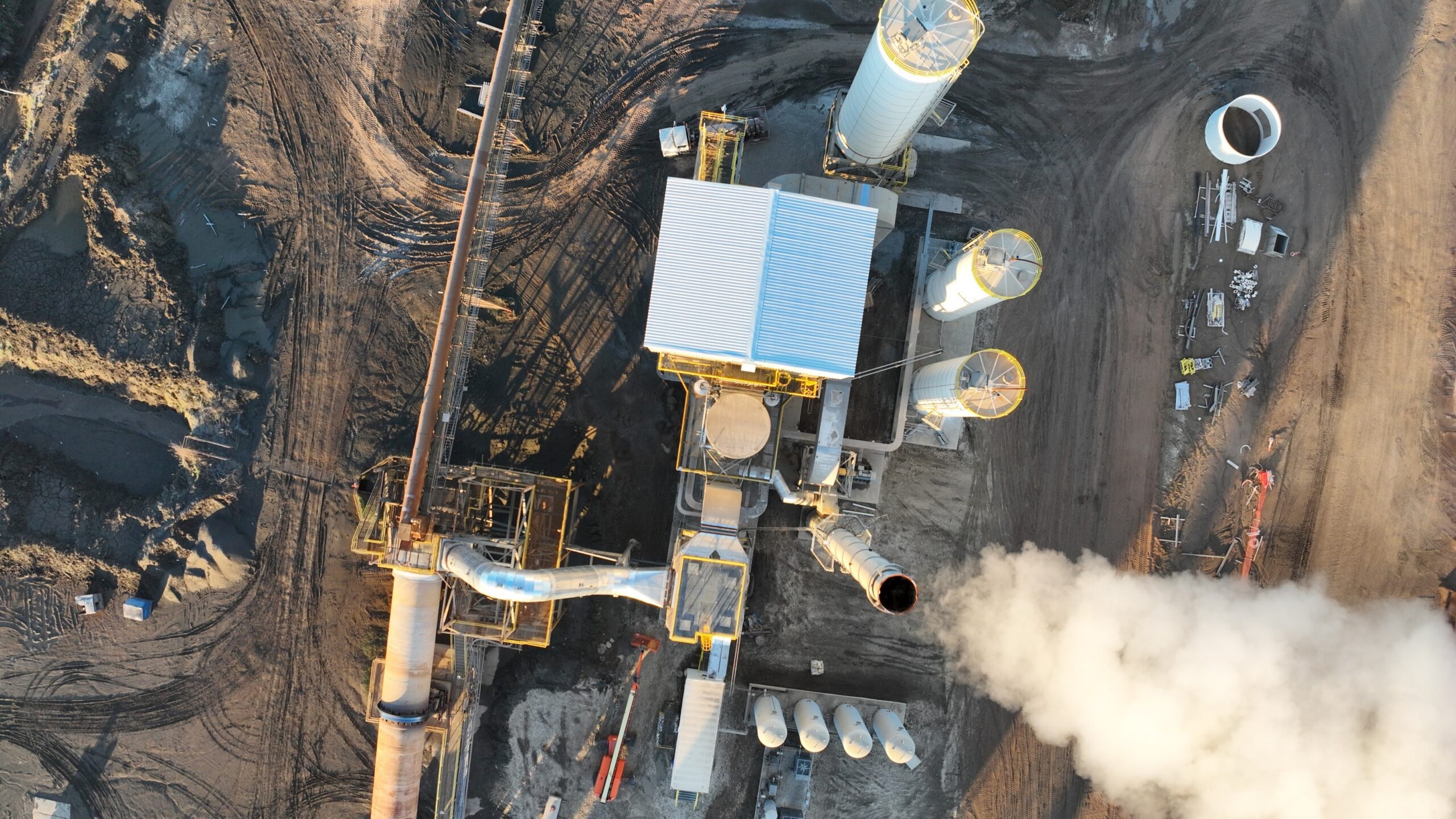
In early 2025, Arcosa Specialty Materials took another step toward environmental stewardship with the installation of a sulfur oxide and particulate matter scrubber at its Texas facility. This lightweight aggregate plant produces expanded shale primarily for Texas infrastructure. With the installation, we’ve seen high efficiency sulfur oxide scrubbing and improved control for particulate matter. Our continuous emissions monitoring system provides real-time adjustments to ensure optimized air quality. While aligned with emissions standards, the site upgrades also reduce our environmental footprint and reflect our commitment to environmental action.
Arcosa sites continue to pursue energy efficiency and environmentally beneficial projects to drive business success as we preserve and protect clean air for the communities where we live and operate.
WATER
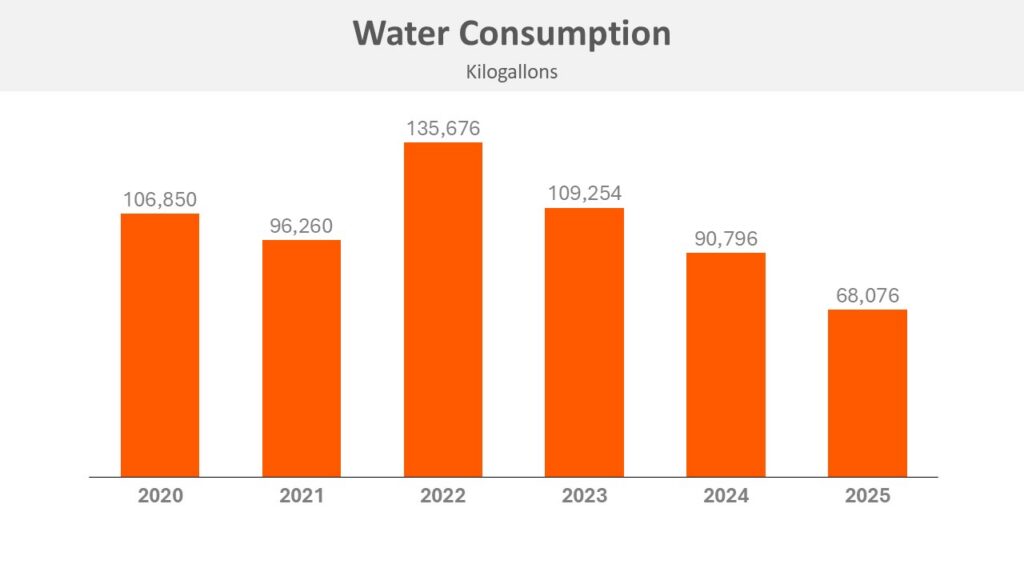
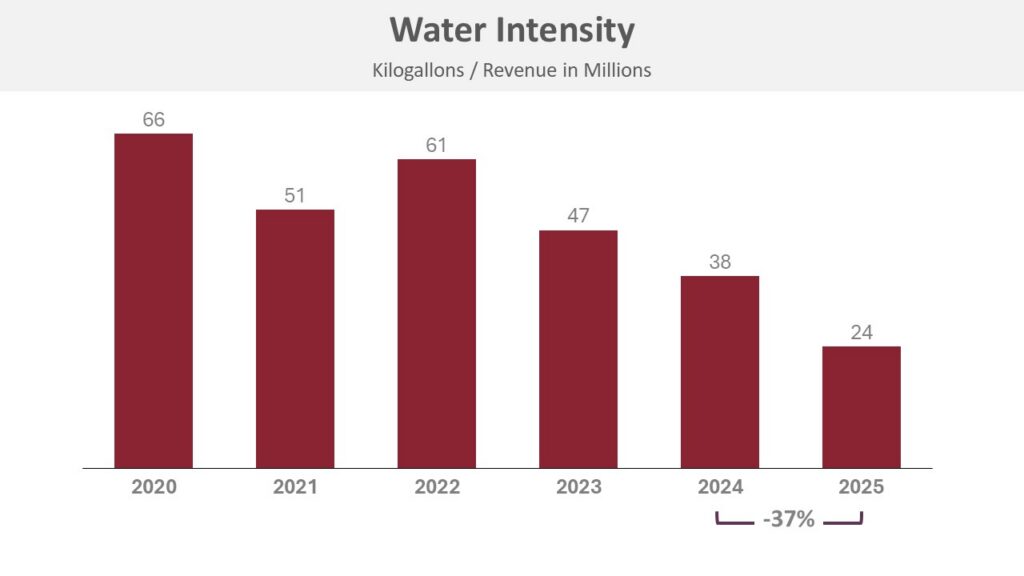
In 2025, Arcosa’s Specialty Materials site in Northwest Oklahoma identified an opportunity to improve water efficiency. The facility operates with a water recycling system, as product washing is an important part of ensuring product quality standards. Upon review of water consumption at the site, the management team identified the need to optimize the water recycling system. The team diligently analyzed, tested, and determined the appropriate use and timing for the system to ensure product quality was not impacted. They developed formal procedures for the process and implemented the change. To date, annual consumption has declined by more than 80%.